• Home
  • Fintech
  • Digital Payments
  • Crypto Markets
  • Blockchain Business
  • Digital Assets
  • About Us
  • Log In
Toggle navigation Tashi Finance logo
  • Home
  • Fintech
  • Digital Payments
  • Crypto Markets
  • Blockchain Business
  • Digital Assets
  • About Us
  • Log In

Day: July 23, 2026

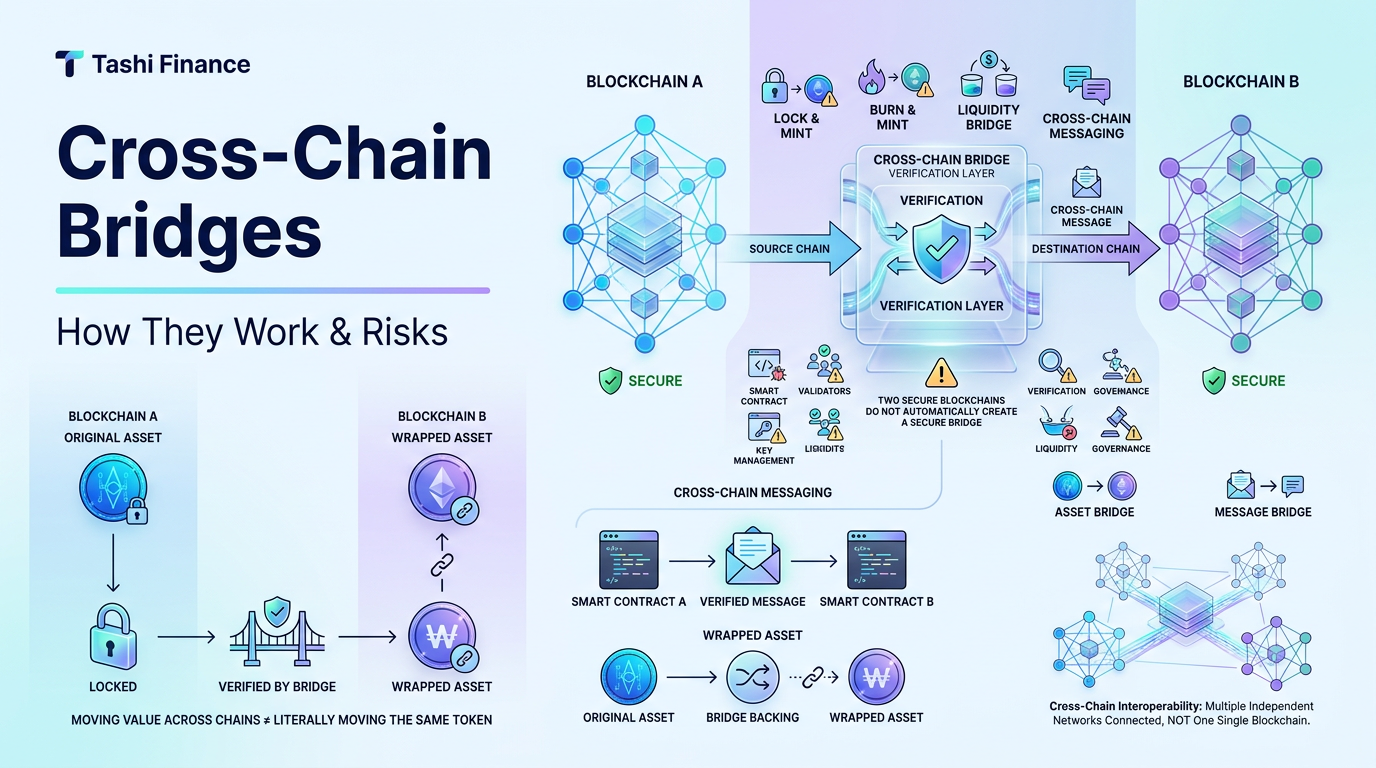
Cross-chain bridges connecting separate blockchains through verification, wrapped assets, smart contracts, and cross-chain messaging

What Are Cross-Chain Bridges? How They Work, Crypto Bridge Risks, and Interoperability

author-image
July 23, 2026July 23, 2026 mWADerpRpuhNr6687 0

Cross-chain bridges connect separate blockchain networks so assets, data, and instructions can move between otherwise isolated ecosystems. This guide explains lock-and-mint, burn-and-mint, liquidity bridges, cross-chain messaging, wrapped assets, interoperability, verification models, and the security risks businesses and users should understand.
Posted in Blockchain Business
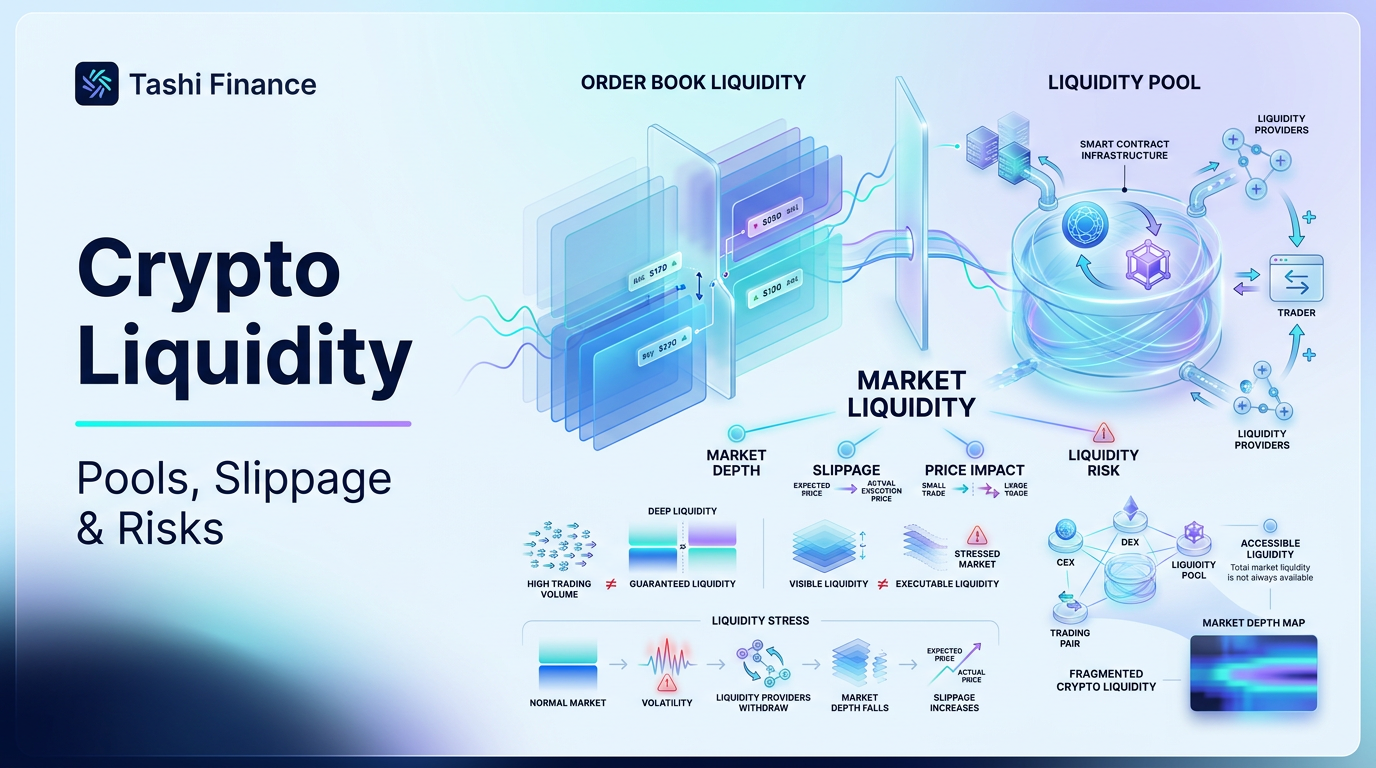
Crypto liquidity with order book depth, liquidity pools, providers, slippage, price impact, and liquidity risk

What Is Crypto Liquidity? Liquidity Pools, Providers, Slippage, and Risks

author-image
July 23, 2026July 23, 2026 mWADerpRpuhNr6687 0

Crypto liquidity describes how easily a digital asset can be bought or sold without causing a large price change. This guide explains market depth, order books, liquidity pools, providers, slippage, price impact, fragmented markets, and the risks that appear when liquidity disappears.

Posted in Crypto Markets
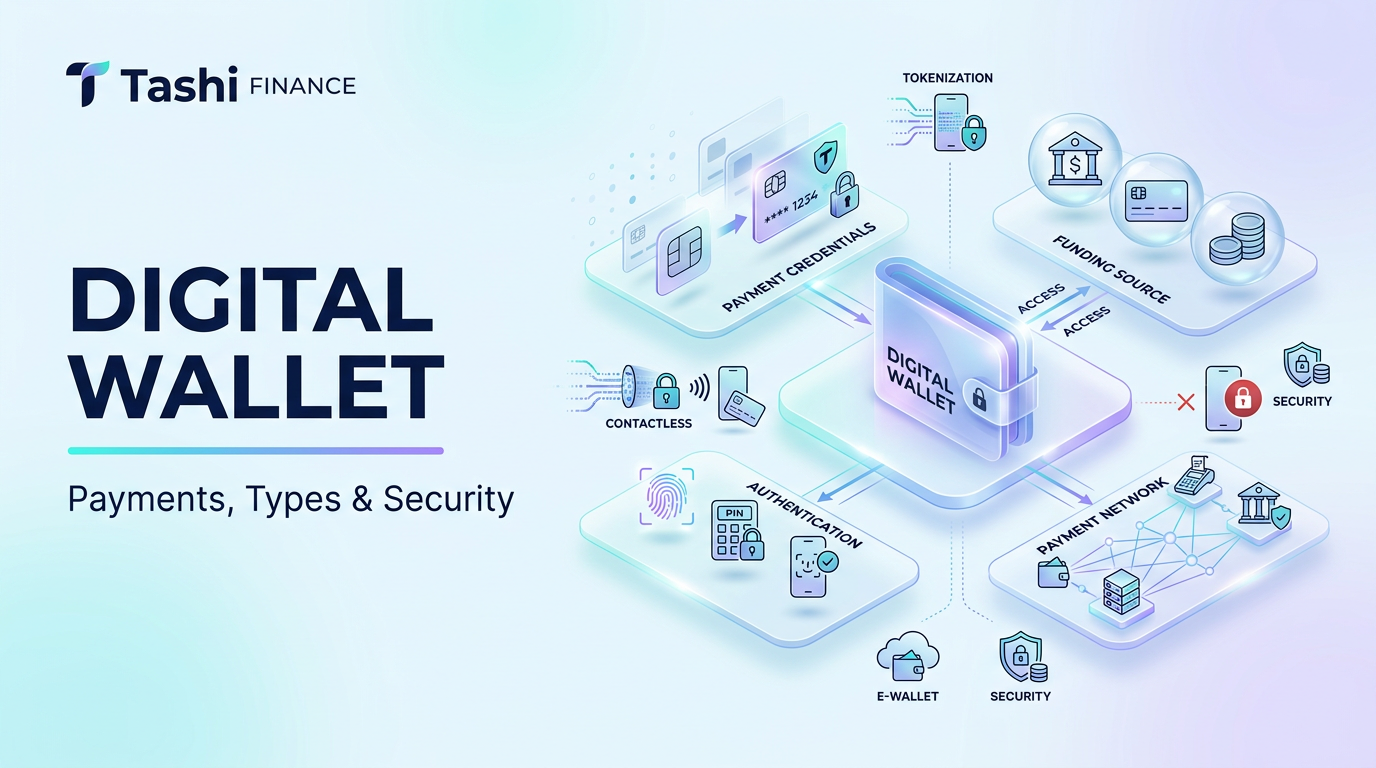
Digital wallet showing payment credentials, funding sources, tokenization, authentication, contactless payments, and security

What Is a Digital Wallet? How It Works, Types, Security, and Payments

author-image
July 23, 2026July 23, 2026 mWADerpRpuhNr6687 0

A digital wallet is an application or digital service that helps users store payment credentials, access funding sources, and authorize electronic transactions. This guide explains how digital wallets work, mobile and e-wallet types, tokenization, stored-value models, security controls, payment flows, and the risks users should understand.

Posted in Digital Payments
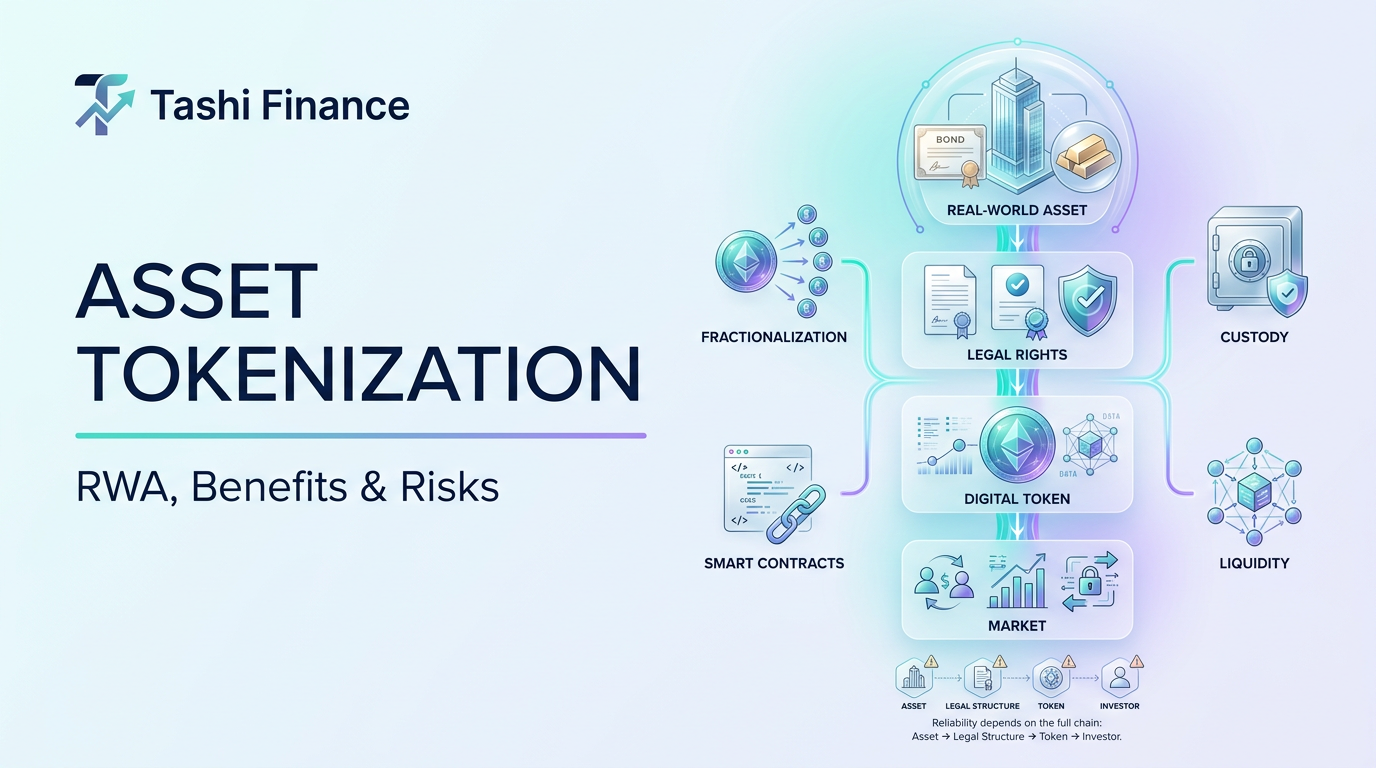
Asset tokenization showing real-world assets, legal rights, digital tokens, smart contracts, custody, and market liquidity

What Is Asset Tokenization? How It Works, RWA Examples, Benefits, and Risks

author-image
July 23, 2026July 23, 2026 mWADerpRpuhNr6687 0

Asset tokenization uses digital tokens to represent an asset or defined rights connected to it on programmable digital infrastructure. This guide explains how tokenization works, real-world asset tokenization, legal structures, fractional ownership, liquidity, custody, smart contracts, and the key risks businesses and investors should understand.

Posted in Digital Assets
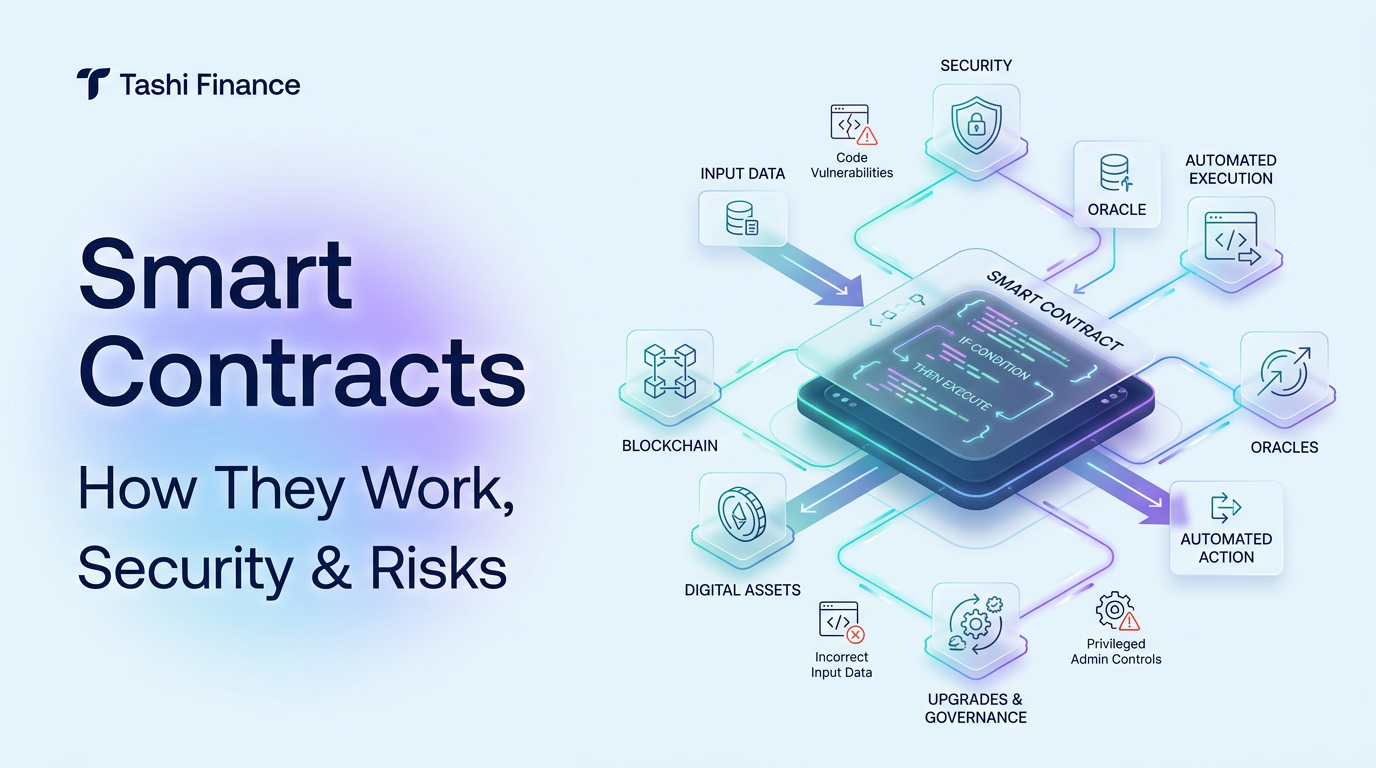
Smart contract system with blockchain, automated execution, digital assets, oracles, security, and governance

What Is a Smart Contract? How It Works, Applications, Security, and Risks

author-image
July 23, 2026July 23, 2026 mWADerpRpuhNr6687 0

A smart contract is a program stored and executed on blockchain infrastructure according to predefined rules. This guide explains how smart contracts work, how blockchains execute them, common business applications, development stages, security risks, oracles, upgrades, audits, and the limitations organizations should understand before using them.

Posted in Blockchain Business
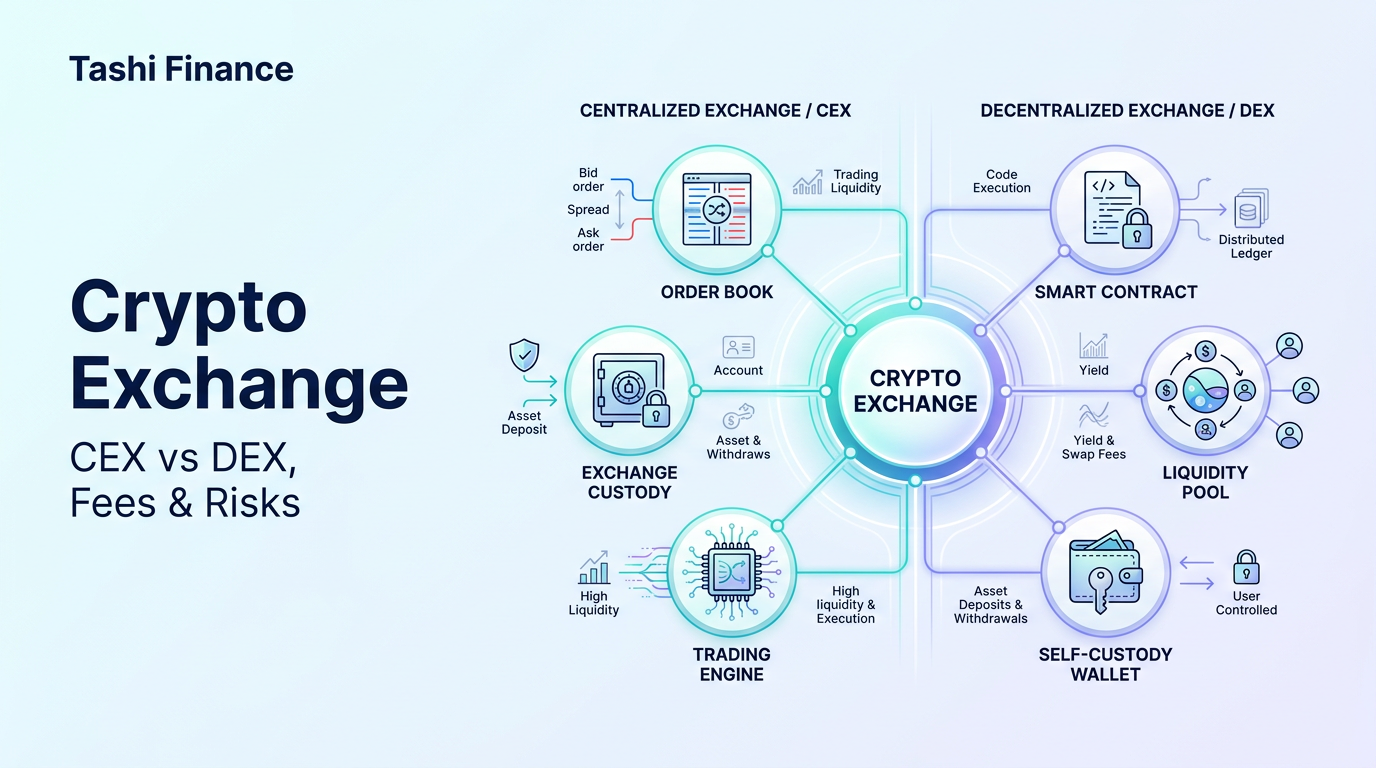
Crypto exchange infrastructure comparing CEX and DEX, order books, liquidity pools, custody, trading, fees, and security

What Is a Crypto Exchange? How It Works, CEX vs DEX, Fees, and Risks

author-image
July 23, 2026July 23, 2026 mWADerpRpuhNr6687 0

A crypto exchange is a platform or protocol that allows users to buy, sell, and exchange cryptocurrencies and other digital assets. This guide explains how centralized and decentralized exchanges work, CEX vs DEX differences, order books, liquidity pools, trading fees, custody, security, and the main risks users should understand.

Posted in Crypto Markets
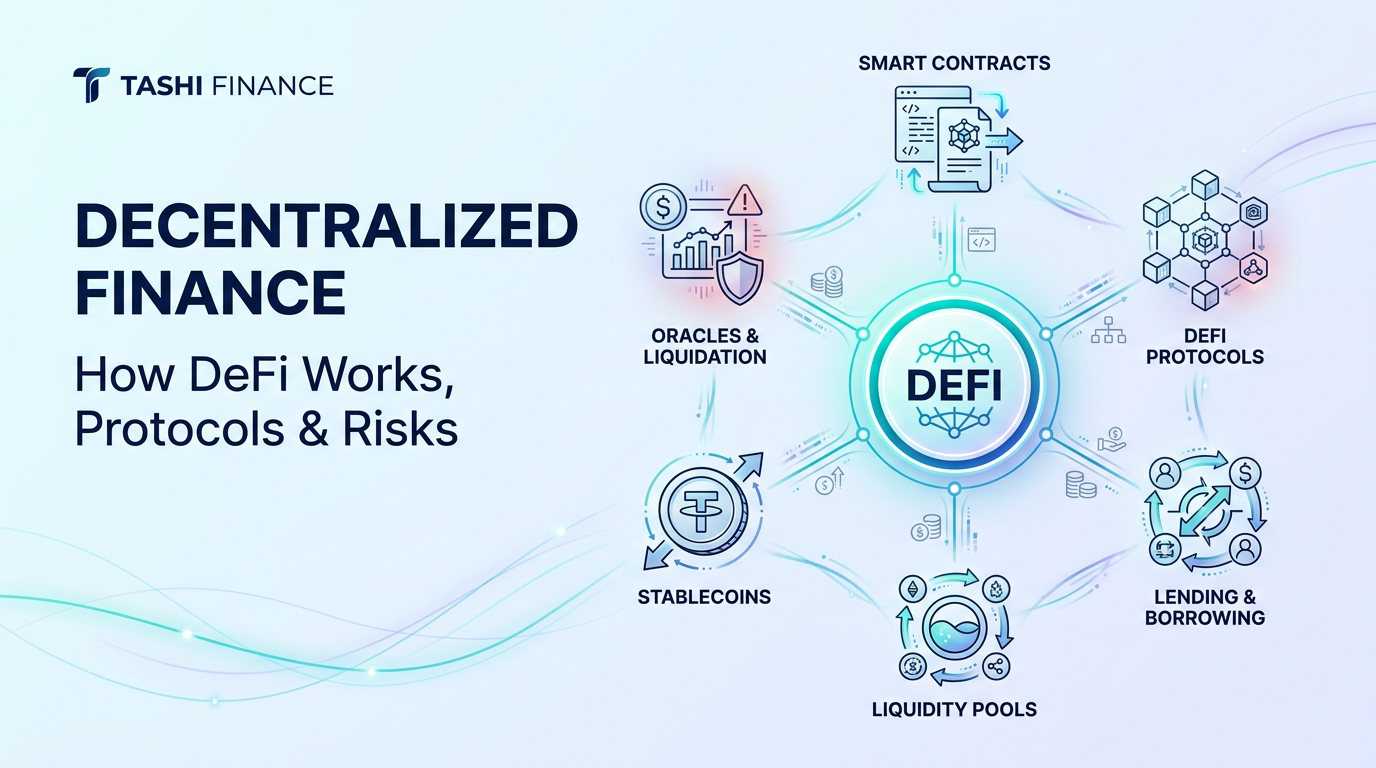
Decentralized finance ecosystem with DeFi protocols, smart contracts, lending, liquidity pools, stablecoins, and oracle risks

What Is DeFi? How Decentralized Finance Works, Protocols, and Risks

author-image
July 23, 2026July 23, 2026 mWADerpRpuhNr6687 0

Decentralized finance, or DeFi, uses blockchain-based protocols and smart contracts to provide financial services such as trading, lending, borrowing, and liquidity without relying entirely on traditional financial intermediaries. This guide explains how DeFi works, common protocols, collateral, liquidity pools, risks, and the limits of decentralization.

Posted in Fintech
  • About Us
  • Contact
  • Privacy Policy
  • Terms & Conditions
  • Disclaimer

© 2026 Tashi Finance. All rights reserved.